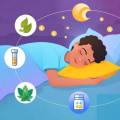
In today’s fast-paced world, many individuals struggle with sleep-related issues, leading to a growing reliance on sleep aids. These aids can be broadly categorized into two types: prescription sleep aids and natural sleep supplements. While prescription options are often touted for their effectiveness, they can come with a host of side effects and dependency risks that may deter users from long-term use. On the other hand, natural sleep supplements offer an appealing alternative for those seeking a more holistic approach to improving their sleep quality. These supplements typically include ingredients derived from plants, herbs, and other natural sources that have been used for centuries to promote relaxation and enhance sleep.
Unlike their pharmaceutical counterparts, natural options often boast fewer side effects and a lower risk of dependency, making them an attractive choice for many. Understanding the differences between these two categories is crucial for anyone looking to improve their sleep. As we delve deeper into the world of sleep aids, it becomes evident that exploring natural sleep supplements not only provides potential benefits for better rest but also encourages a more balanced lifestyle. This exploration sets the stage for discussing specific natural alternatives that can effectively support your journey toward restful nights.
The Science Behind Sleep and Its Disruptions
Understanding the science behind sleep is crucial for recognizing why many individuals experience disruptions in their sleep patterns. Sleep is a complex biological process regulated by various factors, including circadian rhythms, neurotransmitters, and hormones.The body’s internal clock, or circadian rhythm, plays a significant role in determining when we feel awake and when we feel sleepy. Disruptions to this rhythm can lead to difficulties in falling asleep or staying asleep, commonly known as insomnia.Several biological factors contribute to sleep disruptions:
- Circadian Rhythm Disorders: Irregular sleep schedules, such as those caused by shift work or travel across time zones, can throw off the body’s natural clock.
- Hormonal Changes: Fluctuations in hormones, particularly during menopause or pregnancy, can significantly impact sleep quality.
- Neurotransmitter Imbalances: Chemicals in the brain, such as serotonin and gamma-aminobutyric acid (GABA), are essential for regulating sleep. An imbalance can lead to insomnia.
- Stress and Anxiety: High levels of stress can lead to racing thoughts and heightened alertness, making it difficult to relax and fall asleep.
- Depression: This mental health condition is often linked with sleep disturbances, either causing excessive sleepiness or insomnia.
- Lifestyle Choices: Poor sleep hygiene, such as excessive screen time before bed or consumption of caffeine and alcohol, can exacerbate sleep issues.
Common Prescription Sleep Aids and Their Drawbacks
Prescription sleep aids are commonly used to combat insomnia and other sleep disorders.However, many individuals are unaware of the potential drawbacks associated with these medications. Below, we explore some of the most popular prescription sleep aids and their associated side effects.
- Benzodiazepines : Medications like Valium and Ativan are often prescribed for short-term relief of insomnia. While they can be effective in inducing sleep, they carry a risk of dependence and withdrawal symptoms. Long-term use can lead to cognitive impairment and increased anxiety.
- Non-benzodiazepine sleep medications : Drugs such as Ambien and Lunesta are designed to be less addictive than benzodiazepines.
However, they can still cause side effects like dizziness, daytime drowsiness, and even complex sleep behaviors such as sleepwalking or eating while asleep.
- Antidepressants : Some antidepressants, like Trazodone, are prescribed off-label for sleep issues. While they may help with sleep onset, they can lead to unwanted side effects such as weight gain, dry mouth, and fatigue.
- Melatonin receptor agonists : Medications like Rozerem target melatonin receptors to promote sleep. Although generally considered safer, they may still cause dizziness and fatigue in some users.
Many individuals experience issues such as:
- Daytime drowsiness: A common complaint among users of prescription sleep aids, which can affect daily functioning.
- Cognitive impairment: Some medications may impair memory and concentration, leading to difficulties in work or social situations.
- Dependence and withdrawal: Prolonged use can lead to physical dependence, making it challenging to discontinue use without experiencing withdrawal symptoms.
Natural Sleep Supplements: An Overview
Natural sleep supplements are products derived from natural sources that aim to promote better sleep quality and help individuals manage insomnia or other sleep-related issues. Unlike traditional prescription sleep aids, which often come with a range of side effects and dependency risks, natural sleep supplements offer a gentler approach to achieving restful slumber.Benefits of Natural Sleep Aids
- Fewer Side Effects: Many natural sleep aids have minimal side effects compared to their pharmaceutical counterparts, making them a safer option for long-term use.
- Non-Habit Forming: Most natural supplements do not lead to dependency, allowing users to maintain their sleep patterns without the fear of withdrawal symptoms.
- Holistic Approach: These supplements often address underlying issues such as anxiety or stress, promoting overall well-being in addition to improving sleep.
- Melatonin: A hormone that regulates the sleep-wake cycle, melatonin supplements can help those with disrupted circadian rhythms.
- Valerian Root: Known for its calming properties, valerian root has been used for centuries to reduce anxiety and improve sleep quality.
- L-Theanine: An amino acid found in tea leaves, L-theanine promotes relaxation and can enhance the quality of sleep without causing drowsiness.
- Chamomile: Often consumed as a tea, chamomile is renowned for its soothing effects and is commonly used to alleviate insomnia.
Top Natural Sleep Supplements to Consider
When it comes to achieving a restful night’s sleep, many individuals are turning to natural sleep supplements as alternatives to prescription medications. Here are some of the most effective options:- Melatonin: This hormone, produced naturally by the body, helps regulate the sleep-wake cycle.
Supplementing with melatonin can be particularly beneficial for those experiencing insomnia or jet lag. Studies have shown that melatonin can significantly reduce the time it takes to fall asleep and improve overall sleep quality.
- Valerian Root: Valerian root has been used for centuries as a natural remedy for anxiety and sleep disorders. It is believed to increase levels of a neurotransmitter called GABA, which promotes relaxation. Research indicates that valerian root may help improve sleep quality and reduce the time it takes to fall asleep.
- Chamomile Tea: Known for its calming properties, chamomile tea is a popular bedtime beverage.
The active compound, apigenin, binds to specific receptors in the brain that may promote sleepiness and reduce insomnia. Drinking chamomile tea before bed can be a soothing ritual that enhances relaxation.
Lifestyle Changes to Enhance Sleep Quality
Improving sleep quality often requires more than just natural sleep supplements; it involves making thoughtful lifestyle changes that promote better sleep hygiene. Here are some effective strategies to consider:- Establish a Consistent Sleep Schedule: Going to bed and waking up at the same time every day helps regulate your body’s internal clock.
Aim for 7-9 hours of sleep each night, even on weekends.
- Create a Relaxing Bedtime Routine: Engage in calming activities before bed, such as reading, meditating, or taking a warm bath. This signals to your body that it’s time to wind down.
- Limit Screen Time: The blue light emitted by phones, tablets, and computers can interfere with melatonin production. Try to avoid screens at least an hour before bedtime.
- Optimize Your Sleep Environment: Ensure your bedroom is conducive to sleep by keeping it dark, quiet, and cool. Consider using blackout curtains, earplugs, or a white noise machine.
- Be Mindful of Food and Drink: Avoid large meals, caffeine, and alcohol close to bedtime.
Instead, opt for light snacks if you’re hungry.
- Incorporate Physical Activity: Regular exercise can help you fall asleep faster and enjoy deeper sleep. Aim for at least 30 minutes of moderate exercise most days, but try not to work out too close to bedtime.
Potential Risks and Considerations with Natural Supplements
While natural sleep supplements can offer a gentler alternative to prescription sleep aids, it is crucial to be aware of the potential risks and considerations associated with their use. Many individuals assume that because these supplements are derived from natural sources, they are inherently safe.However, this is not always the case.
Risks of Natural Sleep Supplements
Natural sleep supplements can vary widely in their potency and effects. Some common ingredients, such as melatonin, may cause side effects like dizziness, daytime drowsiness, or mood changes in some individuals. Additionally, the long-term effects of many herbal remedies are not well-studied, raising concerns about their safety over extended periods.Interactions with Medications
Another significant consideration is the potential for interactions with medications. Many natural sleep aids can interact with prescription drugs, leading to adverse effects or diminished efficacy of either the supplement or the medication.For instance, valerian root may enhance the sedative effects of benzodiazepines, which could lead to excessive sedation. Therefore, it is essential to consult with a healthcare professional before starting any new supplement regimen.
Safety of Herbal Remedies
The safety of herbal remedies can also be influenced by factors such as quality control and dosage. Unlike prescription medications, natural supplements are not always subject to rigorous testing and regulation. This lack of oversight can result in products that contain contaminants or do not contain the advertised ingredients.To mitigate these risks, consumers should seek out reputable brands that provide third-party testing and transparent ingredient sourcing. In conclusion, while natural sleep supplements may provide relief for some individuals struggling with sleep issues, it is vital to approach their use with caution. Consulting a healthcare provider can help ensure that these supplements are safe and appropriate for your specific health needs.
FAQs About Natural Sleep Supplements
When considering natural sleep supplements, many people have questions about their safety, effectiveness, and potential side effects. Here are some frequently asked questions that can help clarify these concerns:What are the most common natural sleep aids?
- Melatonin: A hormone that regulates sleep-wake cycles, often used to treat insomnia and jet lag.
- Valerian root: An herbal remedy known for its sedative properties, commonly used to improve sleep quality.
- Chamomile: Often consumed as tea, chamomile is known for its calming effects and can help promote relaxation.
- L-theanine: An amino acid found in tea leaves that can enhance relaxation without causing drowsiness.
Are natural sleep supplements safe?
While many natural sleep supplements are generally considered safe for short-term use, it’s important to consult with a healthcare provider before starting any new supplement, especially if you are pregnant, nursing, or taking other medications. Some herbal supplements can interact with prescription drugs or have side effects.How effective are natural remedies for sleep?
The effectiveness of natural sleep aids can vary from person to person.Some individuals may find significant relief from insomnia or disrupted sleep patterns, while others may experience minimal benefits. Research suggests that certain supplements like melatonin and valerian root can be effective for some people, but results may depend on the underlying cause of sleep issues.
Can I combine natural sleep supplements with prescription medications?
Combining natural sleep supplements with prescription medications should be approached with caution. Always discuss with your healthcare provider to avoid potential interactions and ensure safe usage.In summary, while natural sleep supplements can offer a viable alternative to prescription sleep aids, it’s essential to do thorough research and consult with a healthcare professional to find the best approach for your individual needs.Conclusion: Finding Your Path to Better Sleep Naturally
In conclusion, exploring natural sleep supplements can be a transformative journey towards achieving better sleep without the side effects often associated with prescription medications. Throughout this article, we have discussed various alternatives that not only promote relaxation but also enhance overall sleep quality.From herbal remedies like valerian root and chamomile to lifestyle changes such as establishing a consistent sleep schedule and creating a calming bedtime routine, there are numerous options available.Each individual may respond differently to these alternatives, so it’s essential to consider your unique needs and preferences.
- Herbal Supplements: Consider trying melatonin, lavender, or passionflower, which have shown promise in promoting restful sleep.
- Lifestyle Adjustments: Incorporating practices like meditation, yoga, or even simple breathing exercises can significantly improve your ability to fall asleep.
- Dietary Changes: Foods rich in magnesium and tryptophan, such as nuts and turkey, can also support better sleep.